Description
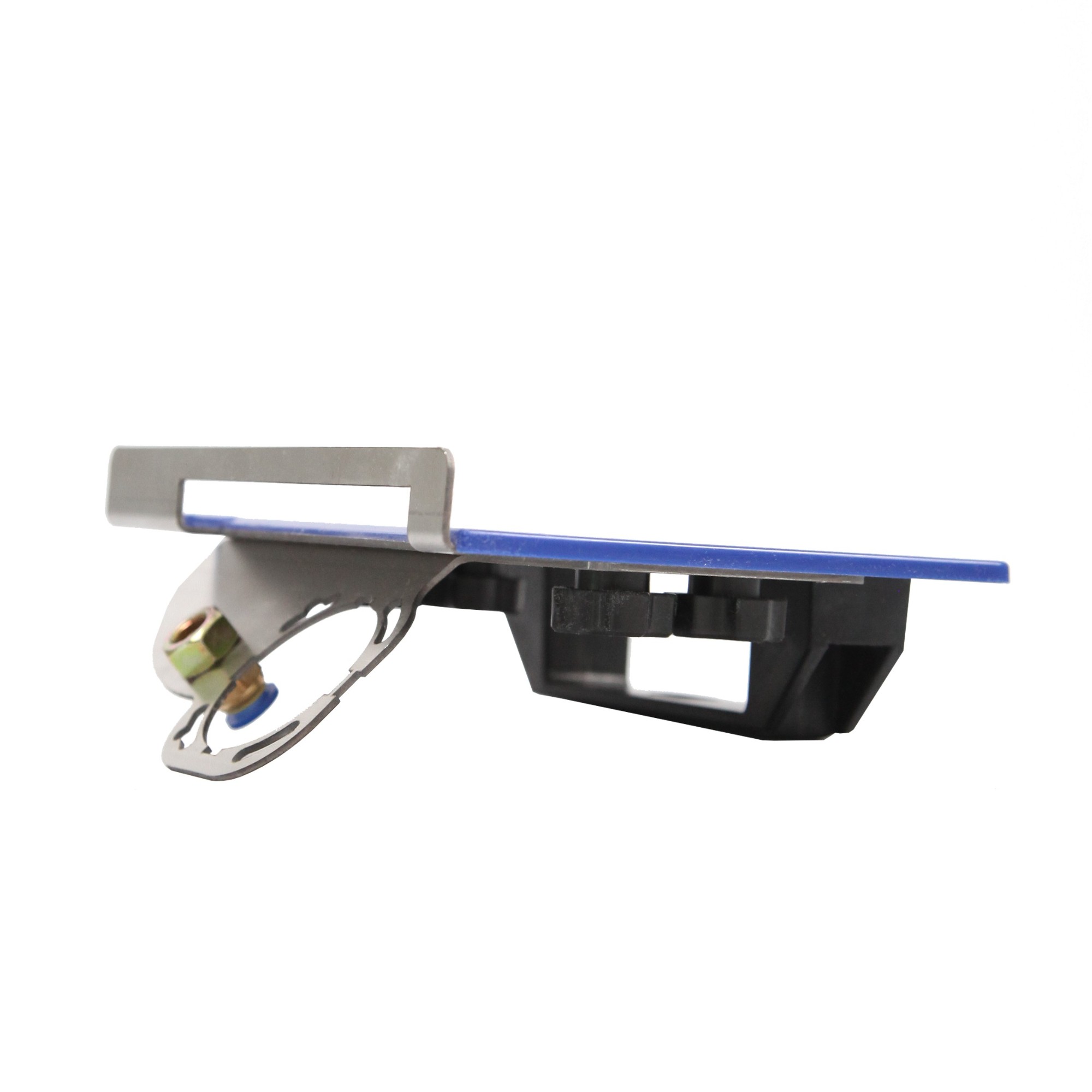
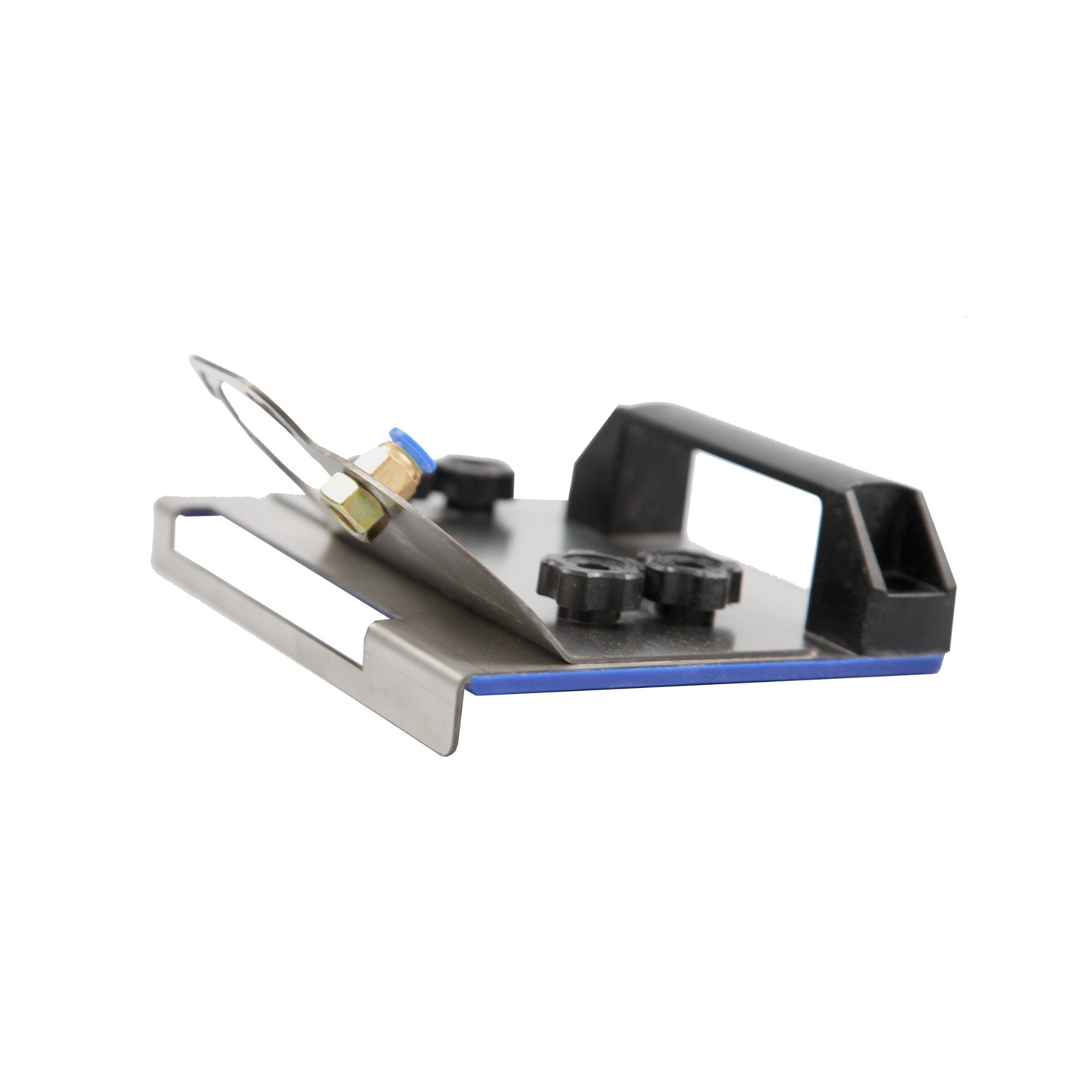
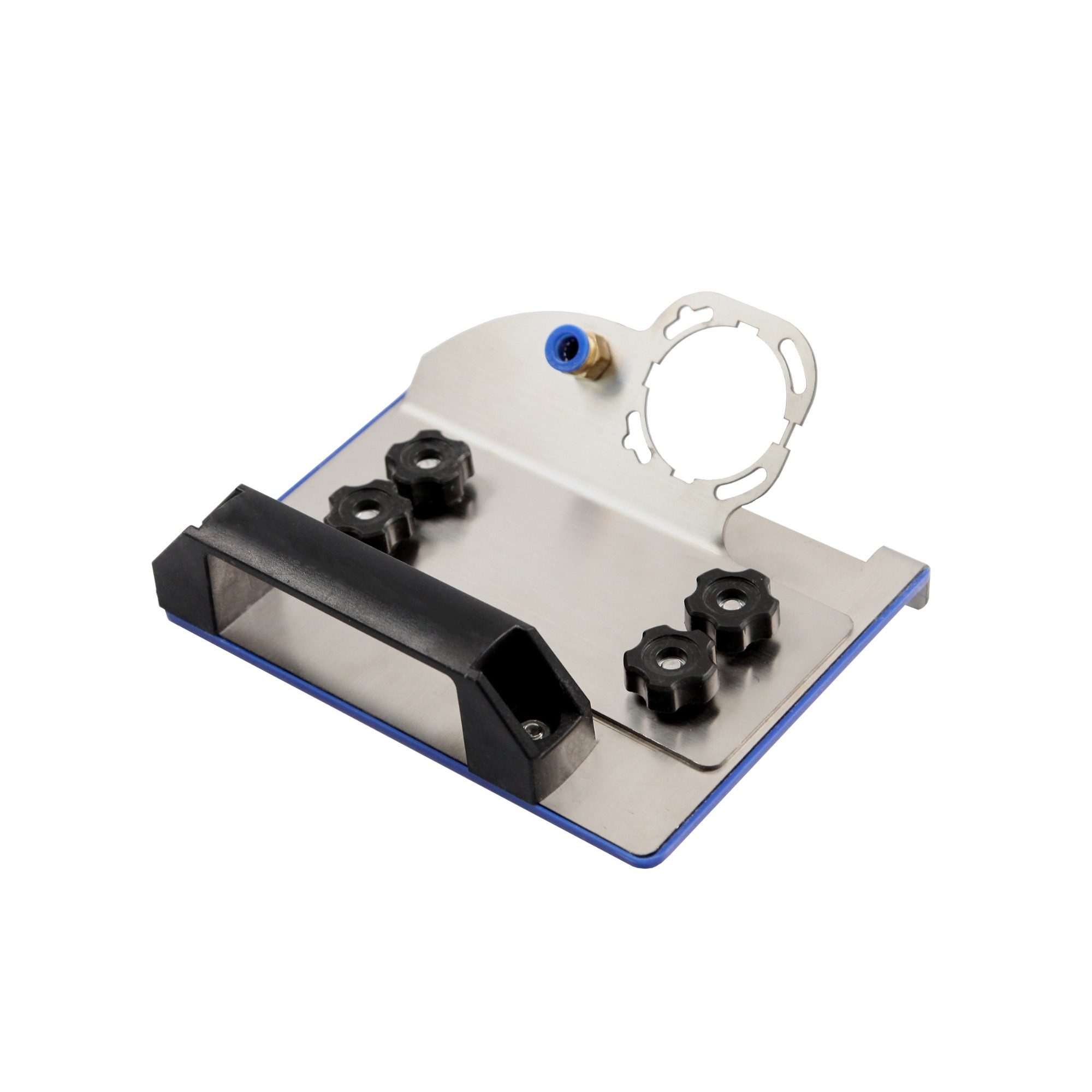
1. This tile chamfer can cut at a 45-degree standard angle, with a smooth cutting surface, high cutting efficiency, and high precision.
2. High performance: This tile chamfer is made of aluminum alloy, which is sturdy and durable, easy to use, small in size, easy to carry, durable, and practical.
3. Wide range of applications: This tile chamfer can cut ceramic, marble, and other floor tiles, and can also be used to cut stone and process exposed corners.
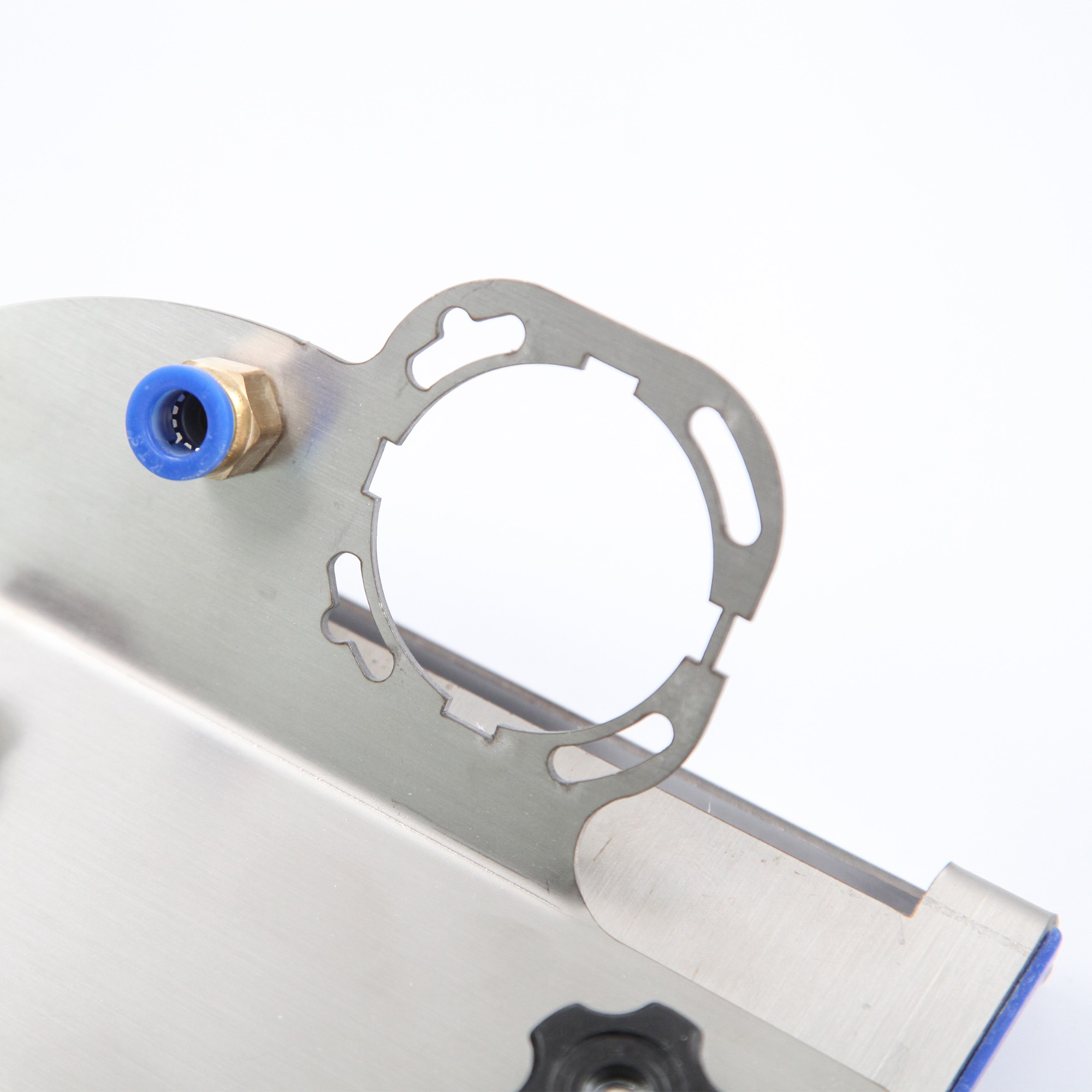
How to use this chamfer? Firstly, install the chamfer on the angle grinder, and then install the diamond saw blade. This chamfer is made of aluminum alloy material, which is very sturdy, durable, and convenient to carry. It has a 45 degree tilt angle and can accurately cut the edges of tiles.
You can use it to cut tiles, marble, and other floor tiles, as well as to cut stone and process exposed corners.
Product Overview
The GUSHI 45 Degree Angle Chamfer is a precision tile-beveling guide that clamps onto a standard 100–125 mm (4"–5") angle grinder and works with a diamond saw blade to cut clean, chip-free 45° bevels on ceramic, porcelain, marble, and granite. Manufactured by Huzhou Gu's Imp. & Exp. Co., Ltd. (GUSHI Tools / Roycel), a diamond-tool specialist founded in 2004 and certified to ISO 9001:2015, CE, EN13236 and RoHS standards, this aluminum-alloy chamfer guide is trusted by distributors and tile contractors across 20+ countries including the USA, Germany, the UK, and Brazil. It turns a handheld angle grinder into an accurate, portable beveling station for mitred tile edges and exposed-corner finishing.
Traditional tile beveling on a wet saw is slow, bulky and confined to the workshop. The GUSHI 45° Angle Chamfer solves this by fixing the bevel angle mechanically: once the guide is clamped to the grinder and the base plate is set against the tile edge, every pass produces the same repeatable 45° chamfer without eye-balling the angle. This removes the most common failure mode in manual beveling — inconsistent angle and edge chipping — and lets a single operator finish mitred corners on site.
The body is machined from aluminum alloy, so it stays rigid under cutting load yet light enough to carry in a tool bag. An integrated guide roller tracks the tile edge for stable, non-shifting cuts, while the adjustable lower plate compensates for tile thickness from 6 mm to 20 mm. Pair it with any continuous-rim or turbo diamond blade on a 22.23 mm arbor and you have a complete beveling solution that costs a fraction of a dedicated wet saw.
Full Specifications
| Parameter | Specification |
|---|---|
| Product Name | 45 Degree Angle Chamfer (Tile Beveling Guide) |
| Model Number | GSH-AC45 |
| Brand | GUSHI / Roycel |
| Manufacturer | Huzhou Gu's Imp. & Exp. Co., Ltd. |
| Chamfer Angle | Fixed 45° |
| Body Material | Aluminum alloy |
| Compatible Grinders | 100-type (4"), 115 mm, 125 mm (5") angle grinders |
| Spindle Thread | M10 / M14 |
| Compatible Blade | Diamond saw blade, continuous-rim or turbo |
| Blade Arbor | 22.23 mm (7/8") with 16 mm reducer bushing |
| Max Blade Diameter | 125 mm (5") |
| Max Cutting Thickness | 20 mm (6–20 mm adjustable) |
| Guide System | Integrated edge-tracking guide roller |
| Thickness Adjustment | Adjustable lower plate + calibration line |
| Cooling | Dry cutting; optional water pump nozzle interface |
| Finish Quality | Smooth, chip-free 45° bevel |
| Net Weight | ≈ 1.0 kg (guide only, blade excluded) |
| Dimensions (L×W×H) | 390 × 88 × 170 mm |
| Color | Silver / anodized (custom color available) |
| Certifications | ISO 9001:2015, CE, EN13236, RoHS |
| MOQ | 500 pieces |
| Lead Time | 7–15 days |
| Price Range | US$6.50 – $18.00 / piece |
| OEM / ODM | Custom logo, packaging, color and specs |
| Export Markets | USA, Germany, UK, Netherlands, Italy, Brazil, Australia, South Africa + 20 more |
How the 45 Degree Angle Chamfer Works
The guide is a mechanical jig, not a cutting tool on its own. It constrains the angle grinder so that the diamond blade meets the tile at a fixed 45°, removing the operator's need to hold a steady bevel by hand. Three subsystems make the cut repeatable.
1. The Fixed 45° Angle Frame
The guide body is machined at a true 45° to the base plate. When the base sits flat on the tile surface, the mounted blade is forced to approach the edge at exactly 45°. Because the angle is built into the tool, every tile in a batch gets an identical bevel — essential for mitred corners where two pieces must meet flush.
2. The Edge-Tracking Guide Roller
A guide roller runs along the tile edge as you push the grinder forward. It keeps the blade the same distance from the edge on every pass, preventing the wander and step-chipping that plague freehand beveling. The roller also reduces operator fatigue because it carries the alignment load, not your hands.
3. Thickness Calibration & Blade Support
The lower plate adjusts for tile thickness (6–20 mm) and a calibration line confirms the setting before cutting. The blade is supported close to the guide plane, so the thin diamond disc stays stable instead of flexing into the material. The result is a smooth, square bevel face ready for mitring or edge finishing without additional grinding.
Key Features Explained
Precision 45° Bevel, Every Time
Because the angle is fixed in the frame, you no longer guess the bevel. This matters most for exposed corners and mitred tile edges where a 1–2° error is visible. The GUSHI guide holds the angle to within tolerances suitable for professional tile setting.
Universal Grinder Fit (100 / 115 / 125 mm)
The clamp fits the three most common angle-grinder sizes on the market and accepts both M10 and M14 spindle threads. Most contractors already own one of these grinders, so the guide adds beveling capability without a second machine. A 16 mm reducer bushing handles blades with the smaller arbor.
Lightweight Aluminum-Alloy Body
Aluminum alloy keeps the guide rigid under load yet light enough (≈1.0 kg) to carry between jobs. Unlike steel jigs that rust and add weight, the anodized alloy resists corrosion on wet job sites and survives drops and daily workshop use.
Adjustable Thickness for 6–20 mm Tiles
The adjustable lower plate and calibration line let you match the guide to thin ceramic mosaics and thick porcelain or stone slabs alike. This single setting covers most floor, wall and countertop tiles without swapping hardware.
Dry or Wet Operation
Run dry for quick bevels on ceramic and porcelain, or attach an optional water pump to the cooling nozzle for marble, granite and long production runs. Water cooling cuts dust, lowers blade temperature and extends diamond-blade life — a key cost factor for high-volume shops.
Grinder & Blade Selection Guide
Match your grinder size and diamond blade to the job. A sharper, finer blade gives a cleaner bevel on delicate tiles; a turbo blade removes material faster on hard stone.
| Grinder Size | Blade Size | Best For | Cut Mode |
|---|---|---|---|
| 100-type (4") | 100 mm continuous-rim | Ceramic, glazed & thin wall tiles | Dry / light wet |
| 115 mm | 115 mm continuous-rim or turbo | Porcelain, microcrystalline stone | Dry / wet |
| 125 mm (5") | 125 mm turbo | Marble, granite, thick stone slabs | Wet recommended |
Applications & Suitable Materials
Common Applications
| Application | Description |
|---|---|
| Mitred tile corners | 45° bevels where two tile edges meet at an outside corner |
| Exposed corner finishing | Clean, safe edges on stair nosing and wall returns |
| Window & door reveals | Beveled trim around openings without trim profiles |
| Countertop edge prep | Beveled stone edges before polishing |
| Stair & skirting bevels | Safe, finished edges on floor transitions |
| On-site repair | Portable beveling where a wet saw can't reach |
Suitable Materials
| Material | Recommended Blade | Max Thickness |
|---|---|---|
| Ceramic tile | Continuous-rim | 20 mm |
| Glazed / polished tile | Continuous-rim, fine | 20 mm |
| Porcelain | Continuous-rim or turbo | 20 mm |
| Microcrystalline stone | Turbo | 20 mm |
| Marble | Turbo, wet | 20 mm |
| Granite | Turbo, wet | 20 mm |
45° Chamfer Guide + Diamond Blade vs. Manual Tile Cutter Bevel
How does the GUSHI angle-grinder chamfer guide compare with beveling on a manual tile cutter or by hand? The table below shows where each approach wins.
| Dimension | 45° Chamfer Guide + Diamond Blade | Manual Tile Cutter / Freehand Bevel |
|---|---|---|
| Bevel angle accuracy | Fixed 45°, repeatable | Hand-held, varies 0–5° |
| Edge finish quality | Smooth, chip-free | Often chipped or rough |
| Portability | 1 kg, tool bag | Bulky, bench-mounted |
| Setup time | Clamp & go, < 2 min | Jig alignment each cut |
| Material range | Ceramic to granite | Limited to soft tile |
| Operator skill needed | Low | High |
| Cutting speed | Fast, continuous pass | Slow, scoring + snapping |
| Initial cost | US$6.50–18.00 + grinder | Cutter cheaper alone |
| Long-term cost | Blade only, no machine | Wears, replaces cutter |
| On-site use | Yes, cordless option | No, bench required |
| Best for | Mitred corners, on-site bevels | Straight edge trimming |
Bottom line: For repeatable, chip-free 45° bevels on site — especially mitred corners and exposed edges — the chamfer guide plus a diamond blade beats freehand or manual-cutter beveling on accuracy, finish and speed. A manual cutter still wins on rock-bottom initial cost for straight trimming only.
How to Use: Step-by-Step Guide
- Unplug the angle grinder and confirm the blade guard is fitted.
- Mount a 100–125 mm diamond saw blade on a 22.23 mm arbor (use the 16 mm reducer if needed).
- Slide the chamfer guide clamp over the grinder head and tighten the locking screws onto the M10/M14 spindle collar.
- Place the guide base plate flat on the tile surface and align the guide roller with the tile edge.
- Adjust the lower plate to the tile thickness and check the calibration line before cutting.
- If cutting marble, granite or long runs, connect the optional water pump to the cooling nozzle.
- Switch on the grinder at low speed and let the blade reach full RPM before contact.
- Push the guide steadily along the tile edge in one smooth pass, keeping the roller on the edge.
- For slabs over 12 mm, make a second shallow pass to refine the bevel face.
- Inspect the 45° edge; repeat on the mating tile for mitred corners.
- Switch off, unplug, and clean dust from the guide roller and base plate.
For more guidance, see our related guides on Diamond Saw Blades, Tile Vibration Machines, and Diamond Polishing Pads.
Frequently Asked Questions
What is a 45 degree angle chamfer guide and how does it work?
A 45 degree angle chamfer guide is an aluminum-alloy jig that clamps onto a standard 100–125 mm (4–5 inch) angle grinder. You mount a diamond saw blade on the grinder, lock the guide to the tile edge, and the fixed 45° angle ensures every bevel cut is straight and chip-free. It converts a handheld angle grinder into a precise, portable tile-beveling station for mitred edges and exposed-corner finishing.
Which angle grinders and diamond blades are compatible?
The guide fits the most common 100-type (4 inch), 115 mm and 125 mm (5 inch) angle grinders with M10 or M14 spindle threads. Pair it with a 4–5 inch continuous-rim or turbo diamond blade on a 22.23 mm (7/8 inch) arbor. A 16 mm reducer bushing is included where required. Always confirm the blade outer diameter stays within the 125 mm maximum before operation.
What materials can I chamfer with this guide?
It works on ceramic, glazed and polished tiles, porcelain, microcrystalline stone, marble, granite and most natural stone slabs up to 20 mm thickness. It is also used to process exposed corners and trim stone edges. Avoid reinforced concrete, metal and asphalt, which exceed the diamond blade's design range.
Can it be used wet or dry?
The guide supports both. Dry cutting with a turbo or continuous-rim diamond blade is fine for short bevel runs on ceramic and porcelain. For marble, granite or long production runs, connect an optional water pump to the cooling nozzle to reduce dust, lower blade temperature and extend blade life. Never run the grinder without a blade guard in place.
What tile thickness can the chamfer guide handle?
The standard GUSHI 45° chamfer guide handles tile and stone thicknesses from 6 mm up to 20 mm. Thickness is set with the adjustable lower plate and calibration line before cutting. For slabs thicker than 20 mm, reduce feed pressure and make two shallow passes to avoid chipping the bevel face.
How do I install the chamfer guide on my angle grinder?
Unplug the grinder, mount your diamond blade, then slide the guide's clamp over the grinder head and tighten the locking screws onto the M10/M14 spindle collar. Place the guide's base plate flat on the tile, align the guide roller with the tile edge, set the 45° plate, and confirm the calibration line matches the tile thickness before switching on.
What is the OEM MOQ and can you add our logo?
The OEM and wholesale minimum order quantity for the chamfer guide is 500 pieces. Huzhou Gu's Imp. & Exp. Co., Ltd. offers custom branding, private-label packaging and specification adjustments (color, plate width, thread type). Samples are available at cost price plus buyer-paid shipping, with a typical lead time of 7–15 days.
Is the 45 degree angle chamfer certified for international markets?
Yes. The product is manufactured under an ISO 9001:2015 quality system and the guide and compatible diamond blades meet CE, EN13236 (diamond tool safety) and RoHS requirements. GUSHI exports to 20+ countries including the USA, Germany, the UK, the Netherlands, Italy, Brazil, Australia and South Africa, and supports documentation for local market compliance.
OEM & Wholesale Information
| Parameter | Detail |
|---|---|
| Minimum Order Quantity | 500 pieces |
| Custom Branding | Logo laser-etch or print on body and packaging |
| Private Label Packaging | Custom box, manual and barcode |
| Specification Options | Color, plate width, thread type (M10/M14) |
| Sample Policy | Available at cost price + buyer-paid shipping |
| Payment Terms | T/T, L/C, Western Union, PayPal |
| Port of Loading | Shanghai or Ningbo, China |
| Lead Time | 7–15 days (standard); 20–30 days (custom) |
| Languages Supported | English, Spanish, Japanese, Russian, French, German |
Huzhou Gu's Imp. & Exp. Co., Ltd. (GUSHI Tools / Roycel) has manufactured and exported diamond and hard-material processing tools since 2004. With a production capacity of 100,000 sets per month and ISO 9001:2015, CE, EN13236 and RoHS certification, GUSHI supplies distributors and OEM partners in 20+ countries. The company was among 23 Chinese manufacturers that won the US anti-dumping case for diamond blades (6.2% tariff rate), and roughly 1 in 5 Chinese diamond blades exported to Brazil carries the GUSHI name.
Explore our complete range: Diamond Saw Blades, Tile Vibration Machines, and Diamond Polishing Pads.
Request a Quote WhatsApp: +86 133 2582 1813