Rethinking Work: Our Maker Model Kick Off
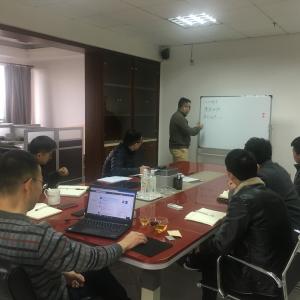
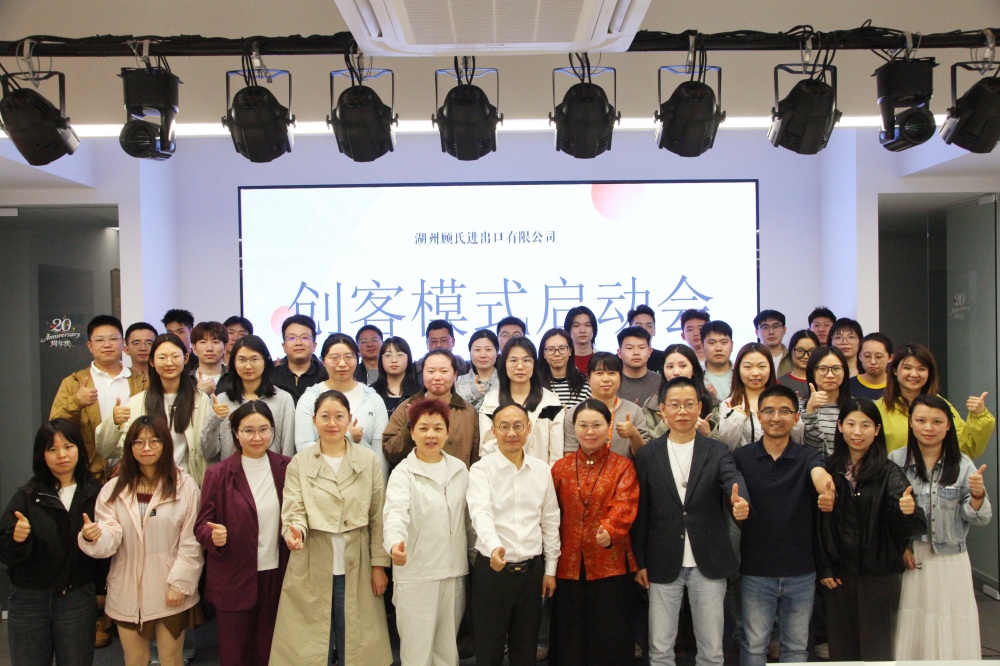
Yesterday marked a real milestone for us. We didn't just hold another internal meeting — we officially launched our Maker Model (Chuangke Model). It wasn't about new slogans. It was about changing the very DNA of how we work, think, and grow.
The philosophy is simple yet radical: People are the purpose, not the means.
That single idea challenges almost everything traditional corporate culture stands for. For too long, employees have been treated as resources, cogs in a machine designed to serve quarterly results. We reject that.
We are moving to a platform-based company.
This means leadership no longer sits at the top controlling everything from a distance. Instead, the company becomes an enabling platform — providing tools, resources, guidance, and support — while the real drive, creativity, and decision‑making power sit where the work actually happens.
We are making departments into micro‑companies.
Every team becomes an accountable, autonomous unit — with its own mini P&L, its own agility, and its own sense of ownership. No more waiting for approvals from three layers above. No more “that's not my job.” When a team operates like its own company, responsiveness soars, and accountability becomes personal.
We are turning every employee into a maker (Chuangke).
A maker is not just someone who "follows instructions." A maker is a problem‑solver, a creator, a mini‑CEO within their role. When people have the freedom to try, fail, learn, and build — without fear — they stop acting like employees and start acting like partners.
This shift isn't inward‑looking. The whole point is to better connect with our partners and serve our customers. When our teams operate with ownership, they naturally listen more closely to partners, respond faster, and deliver real value — not just outputs.
Yesterday’s launch event was electric. Teams shared early experiments: a department that restructured its workflow like a lean startup; a cross‑functional group that treated a project as an internal venture; frontline colleagues who proposed system changes that would normally require months of top‑down approval. None of this was theory — it was happening.
Of course, we know a model like this is hard. It asks for trust, transparency, and a willingness to let go — from leadership as much as from teams. But we believe that treating people as ends, not means, isn't just ethical — it's also the fastest path to innovation.
We're just at the beginning. But yesterday, we took the first real step toward a future where work is built by makers, for people — both inside and outside our company.
Here's to building, not just managing.