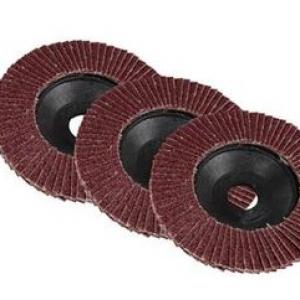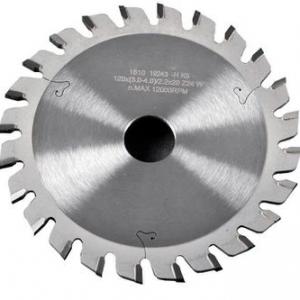
Electroplated Diamond Flap Disc for Tile, Quartz and Granite

Short answer. A GUSHI electroplated diamond flap disc grinds hard, brittle materials — tile, quartz, granite, glass, ceramic — and leaves a smooth surface without changing tools. It removes stock fast, but it is a grinding disc, not a cutter and not a polisher.
What it grinds
Tile and ceramic: edge smoothing, notch cleanup, taking down a high spot left after a cut.
Quartz and engineered stone: bringing down a seam or a chipped corner.
Granite and other natural stone: flattening a rough patch before you move to polish.
Glass: light edge work. Keep it cool — more on that below.
What it does not grind
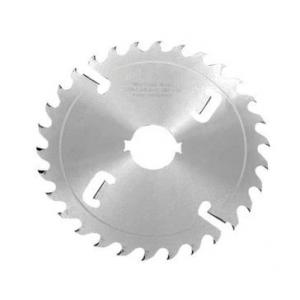
Steel and other ferrous metal. Diamond reacts with iron under grinding heat and loads up within minutes. For metal, use a conventional alumina flap disc, or our 125 mm multi-purpose blade for cutting.
Mirror finish. After the finest grit you get a smooth, matte prep — not a shine. To bring stone up to gloss, follow with resin polishing pads.
Cutting. It does not slice tile. Use a continuous-rim or turbo blade for the cut, then this disc for the edge.
The grit choice (#60 / #120 / #200–400)
#60 — coarse. Fast removal, leaves a visible scratch. Use it to drop material down.
#120 — the middle step, for most edge and surface work.
#200 / #400 — fine. This is the prep grit before polishing; it closes the scratches the coarse leaves.
Pick the grit by the step you are on, not by the material. On the same quartz edge you may run #60 to drop a high spot, then #400 to make it ready for pads.
What wears it out
Too much pressure: glazes the diamond instead of cutting.
Running it on steel or any ferrous part: loads the diamond instantly.
Letting it overheat on one spot.
Using #60 where #400 would do, and burning through the single diamond layer early.
Common questions
Can I use it on steel?
No. Diamond loads on ferrous metal and the disc is done in minutes. Use an alumina flap disc or our metal-cutting blade.
Does it polish to a shine?
No. It grinds to a smooth matte prep. For gloss, follow with resin polishing pads.
Wet or dry?
Dry by default. Water helps with cooling and dust on stone — but confirm the disc is rated for wet first.
Which grit do I start with?
#60 to remove material, #120 for general work, #200 / #400 to prep for polishing.
How long does it last?
It is a single electroplated layer, so the life is finite and predictable — strong on hard, brittle stone, shorter than a sintered disc doing heavy bulk grinding.