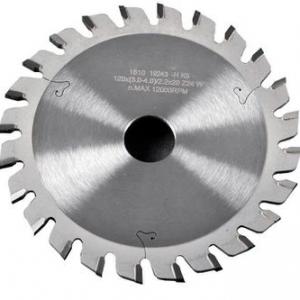
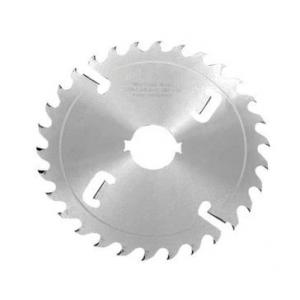
TCT Saw Blades for Non-Ferrous Metals and Plastics
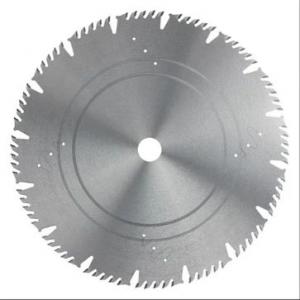
A TCT (tungsten carbide tipped) circular saw blade is built to cut aluminum, brass, copper, bronze and plastics like PVC and acrylic without chipping or melting. It is not a wood blade and not a steel blade — pick the wrong material and the tips load up or the cut wanders.

What it cuts
Aluminum — extrusion, sheet, profile
Brass and copper
Bronze
PVC and UPVC
Acrylic and plexiglass
Fiberglass and composites
These are soft, stringy or heat-sensitive. With the right tooth geometry a TCT blade shaves them clean instead of tearing.
What it does not cut — and where to go instead
Steel and iron (ferrous). Carbide tips smear and the cut wanders on hard steel. For metal, rebar and steel section, use a blade made for it — our multi-purpose vacuum brazed blade is one option: /new/Multi-Purpose-Blade-125mm-Vacuum-Brazed.html
Tile, stone, concrete, masonry. Those belong to a diamond blade, not a carbide one. For tile and stone see the continuous-rim diamond blade: /new/Continuous-Rim-Tile-Blade-45-Degree-115-125mm.html
Thick solid steel bar. Reach for a dedicated metal-cutting blade, not a non-ferrous TCT.
Getting a clean cutUse a blade made for non-ferrous work: a low or negative hook angle keeps aluminum from grabbing the teeth. Set the feed direction for the material — on aluminum the wrong direction tears the surface. Let the blade clear the chips; plastics like acrylic melt if you push too fast, so slow the feed and let the chips carry the heat away. Support thin extrusions so they don't twist and bind mid-cut.
Body and tips, plainlyThe plate is alloy steel. The cutting edges are tungsten carbide tips, brazed onto the plate — that is what "TCT" stands for. The carbide takes the wear; the steel keeps the plate flat and running true. We braze and balance each plate before it leaves the line. We don't grind the tips to a mirror finish — that is a finishing step the buyer does on site, and pretending otherwise would be dishonest.
Tooth geometry in one breathFor non-ferrous you usually want a triple-chip (TCG) or a modified alternate-top-bevel ground flat on the trailing edge, so the carbide doesn't dig into soft metal. For plastic you want a high tooth count and a polished gullet. The exact geometries we stock are listed in the catalog

Frequently asked
Will a TCT blade cut steel?
No. These non-ferrous TCT blades are for aluminum, brass, copper and plastics. For steel, rebar and metal section, use a blade made for it — our multi-purpose vacuum brazed blade is one option.
Can it cut wood?
It can cut clean wood, but this blade is tuned for non-ferrous metal and plastic. If you mostly cut wood, pick a wood-specific TCT; if you cut both, tell us and we match the grind.
Why does acrylic melt at the cut?
Acrylic is heat-sensitive. Feed too fast or let the blade dwell and the edge melts. Slow the feed, keep the gullets clear, and let the chips carry the heat.
What tooth count do I need?
Fewer teeth for thick aluminum extrusions, more teeth for thin sheet and plastic. We stock several — the exact count depends on your saw and material, confirm from the catalog.
Do these fit my saw?
They fit standard circular and mitre saws with the matching bore. Check your bore and max RPM against the spec table before ordering.